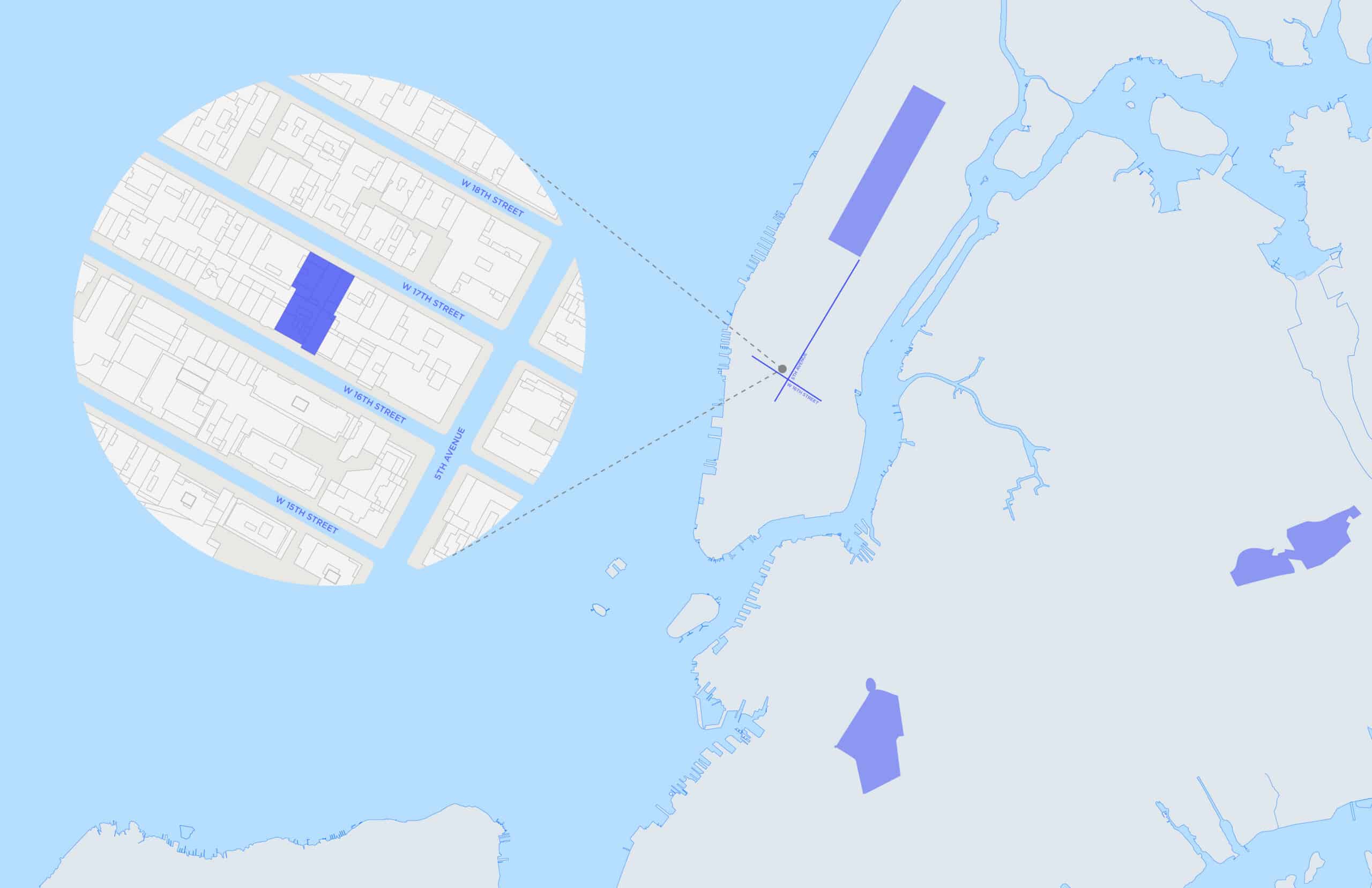
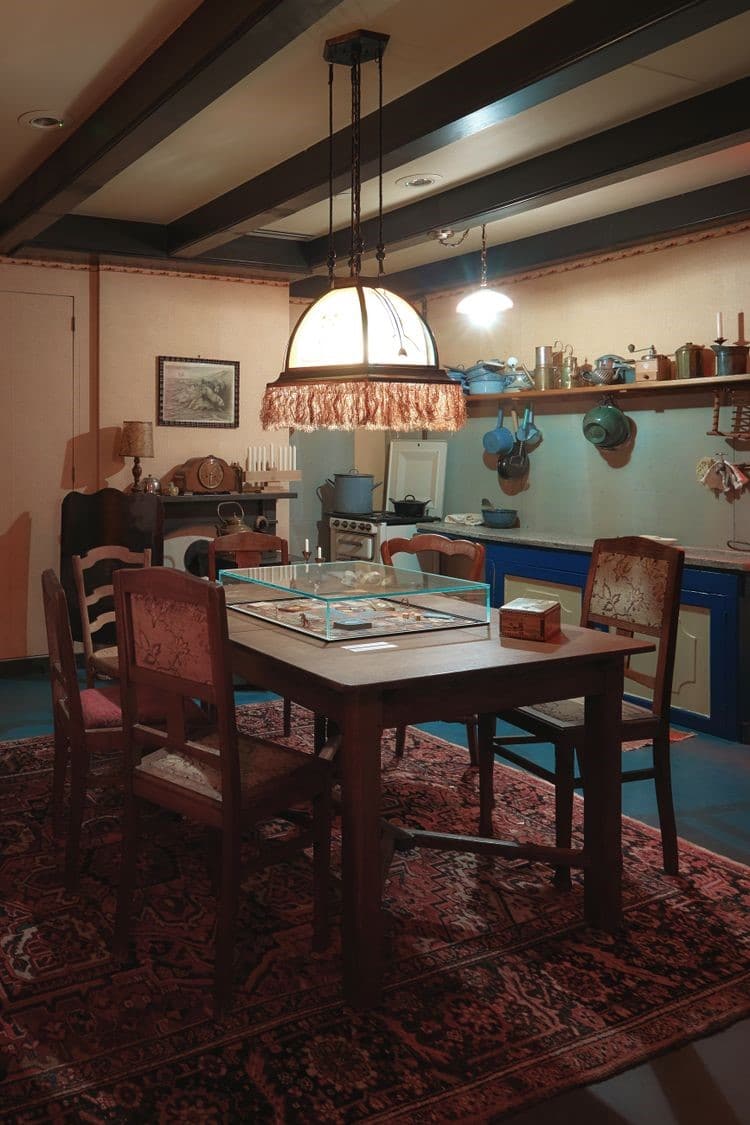
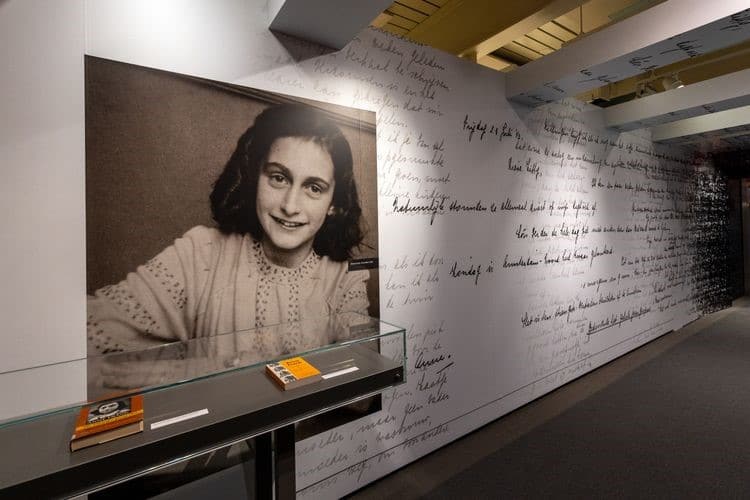
Bergen Street Studio partnered with jMUSE, the Anne Frank House and exhibition designer Eric Goossens (Muiderberg, Netherlands) to deliver architectural design coordination and consulting for a year-long traveling exhibition at the Center for Jewish History (CJH) in New York City.
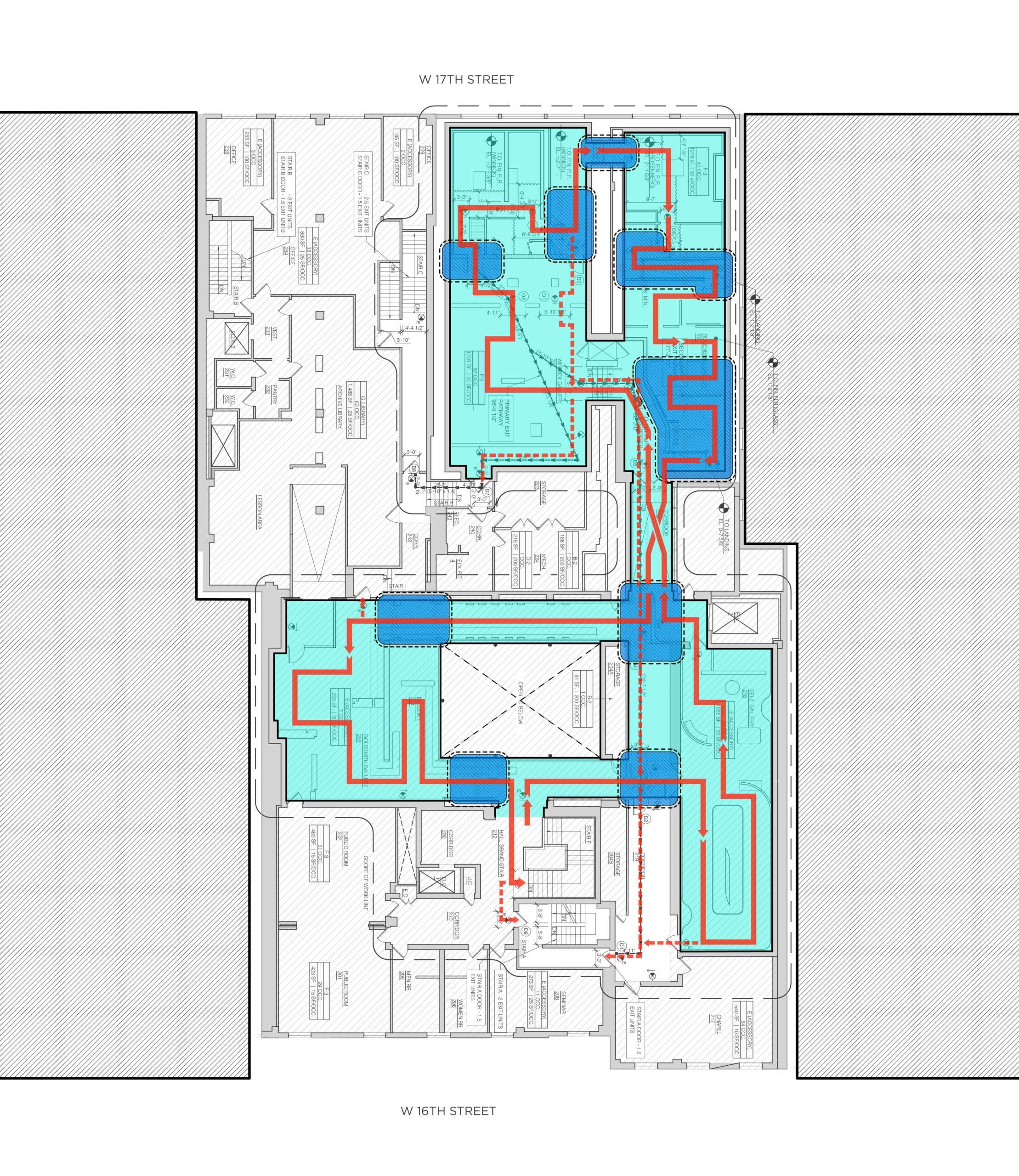
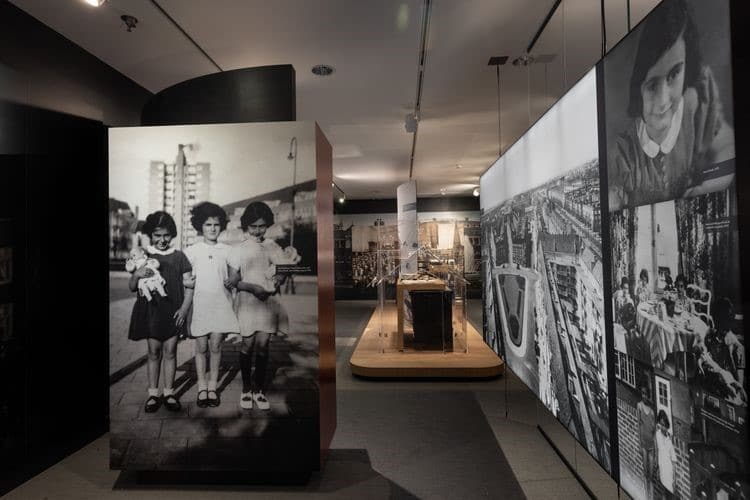
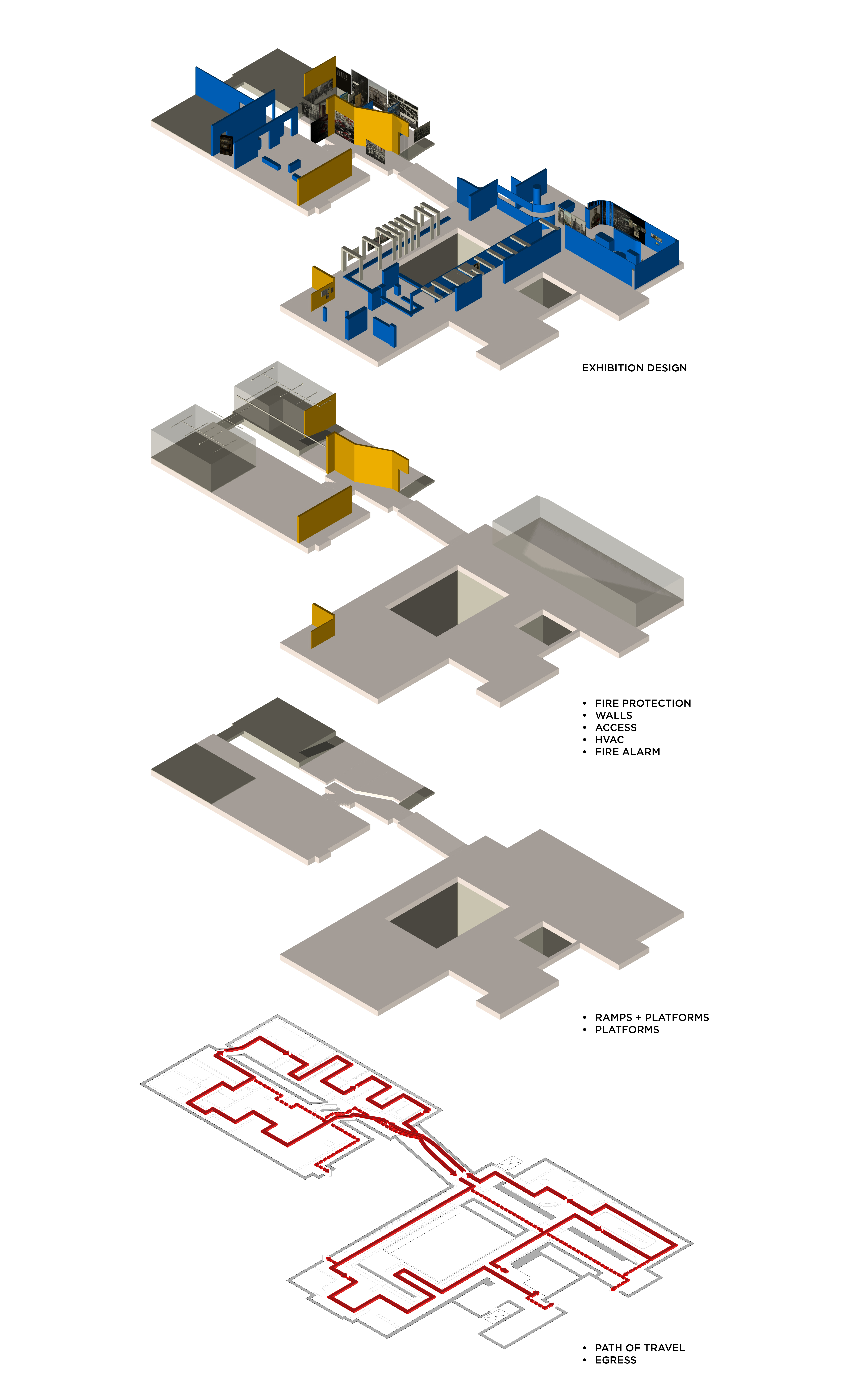
Spanning multiple galleries on the second floor; including Selz, Goldsmith, Rosenburg, and Winnick as well as the mezzanine overlooking the central atrium, the exhibition required a highly strategic approach to integrate complex design elements within an existing institutional framework. The architectural project demanded careful navigation of spatial, technical, and regulatory constraints while maintaining a compelling and intuitive visitor experience.
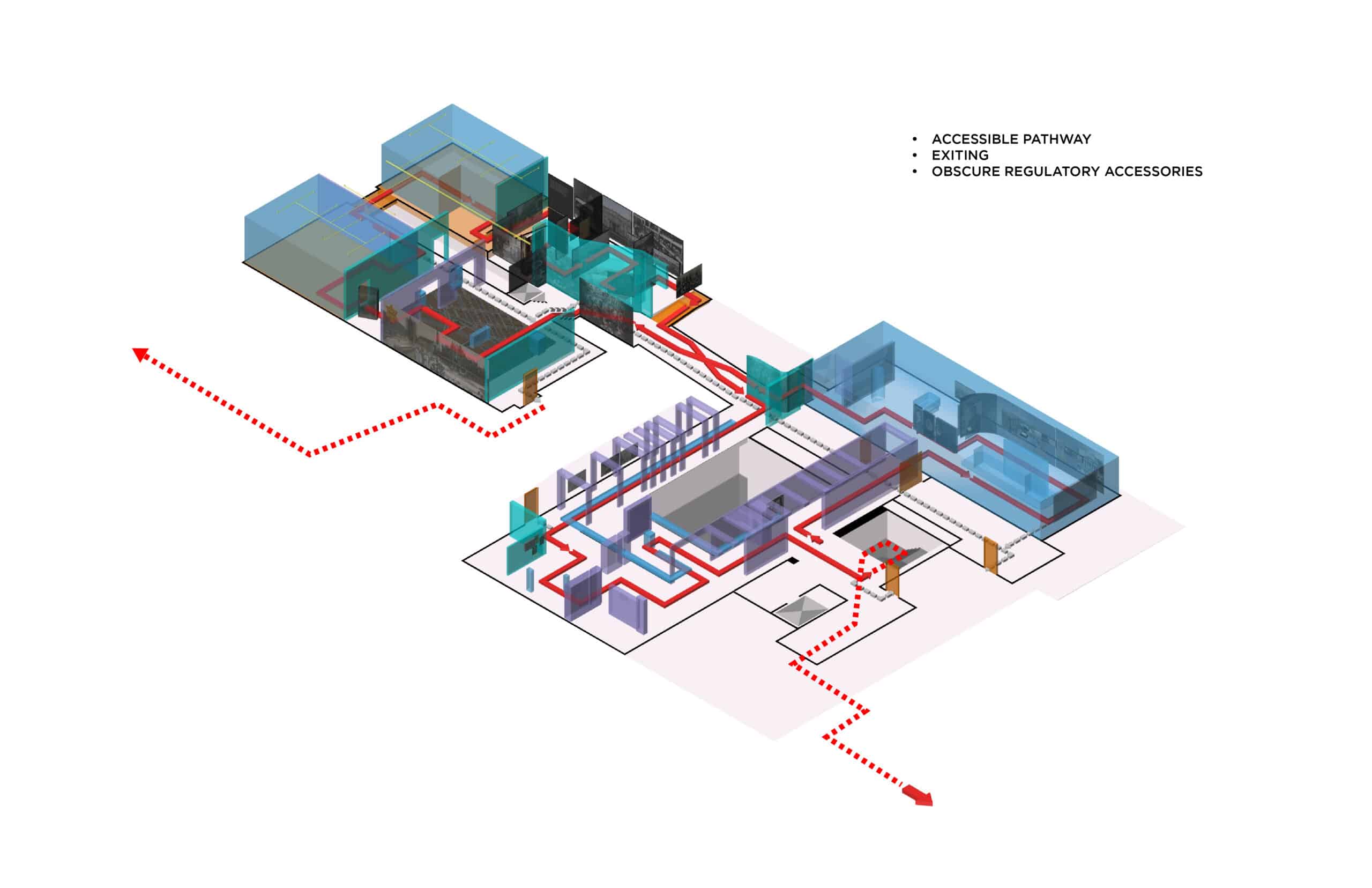
Our team of architects led the coordination between exhibition design, base-building systems, and NYC code requirements, ensuring seamless integration across all layers of the project. We worked closely with institutional leadership, designers, and fabricators to optimize visitor circulation, enhance accessibility, and align every component with rigorous regulatory standards.
Central to our approach, the concept of “silent design”, we focused on developing precise, unobtrusive solutions that resolve technical challenges without competing with the exhibition itself. By minimizing the visual presence of infrastructural and compliance-driven elements, we allowed the narrative and emotional impact of the exhibition to take center stage.
This project underscores Bergen Street Studio’s ability to translate complex constraints into clear, elegant solutions, delivering high-impact cultural environments that are as technically rigorous as they are experientially powerful.